Balance in Everyday Life – Combine Gaming with Your Other Interests

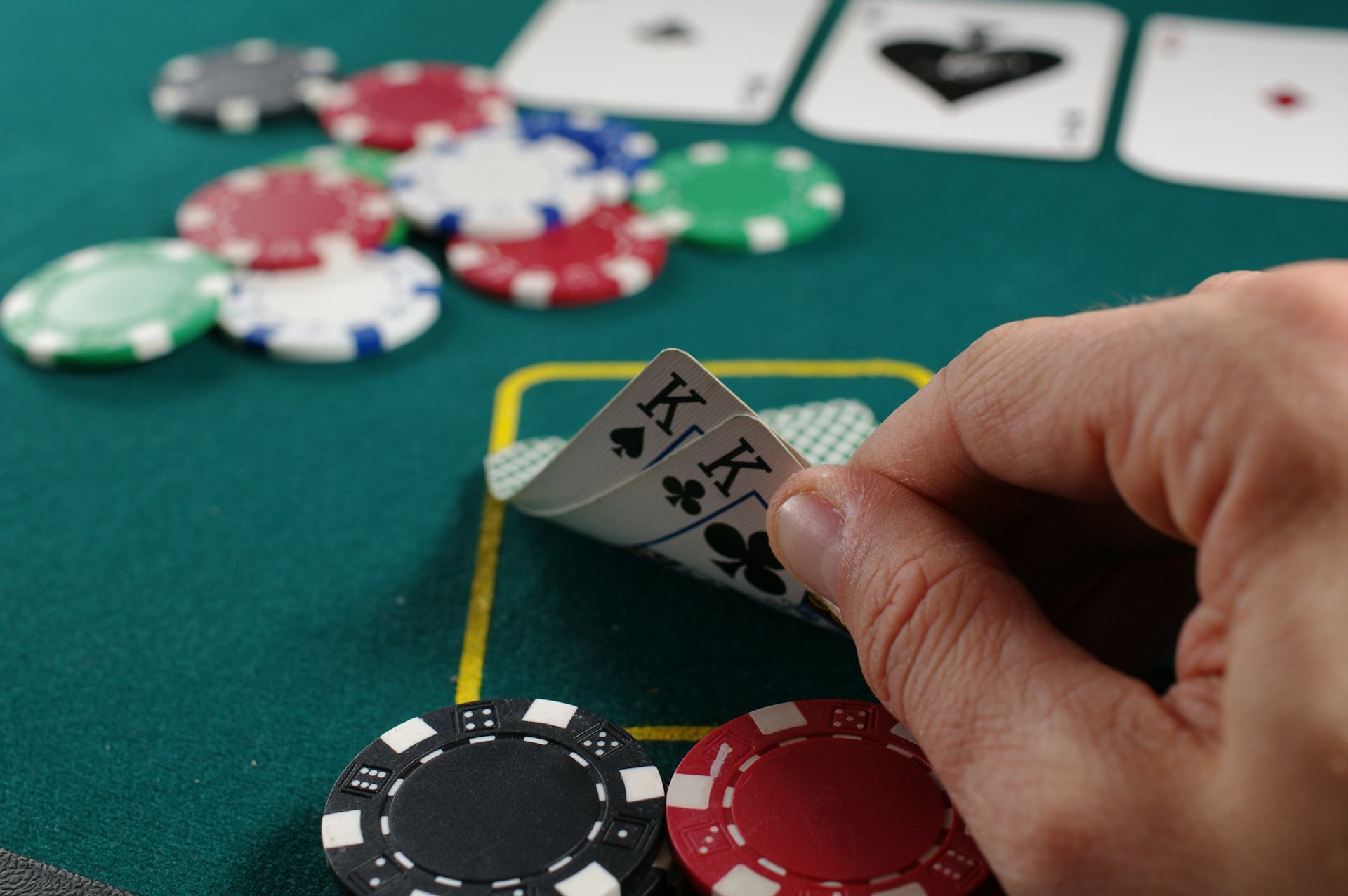
Balance in Everyday Life – Combine Gaming with Your Other Interests
For many Australians, gaming is a fun and relaxing way to unwind – whether it’s console gaming, mobile games, or online multiplayer sessions with friends. But like everything else in life, it’s all about balance. When gaming starts to take up too much time, it can affect sleep, relationships, and other hobbies. The good news is that with a few mindful habits, you can make gaming a positive part of your lifestyle – without letting it take over.
Gaming as Part of a Healthy Lifestyle
Gaming can offer entertainment, connection, and mental stimulation. It’s a great way to de-stress after work or study, and it can even help you stay in touch with friends who live far away. That’s all healthy – as long as gaming isn’t your only source of enjoyment and relaxation.
A good approach is to see gaming as one of several activities in your free time. That way, it becomes part of a varied lifestyle that also includes physical activity, time outdoors, and social contact beyond the screen. Whether it’s a surf at the beach, a bushwalk, or a weekend barbecue, mixing gaming with other activities keeps life balanced and fulfilling.
Set Boundaries for Your Gaming Time
It’s easy to lose track of time when you’re immersed in a game. Setting clear boundaries for when and how long you play can help you stay in control. You might:
- Schedule specific gaming times – for example, an hour in the evening or a few hours on the weekend.
- Use timers or apps to remind you to take breaks.
- Plan screen-free days where you focus on other interests or spend time outdoors.
When you plan your gaming time, it’s easier to maintain balance and ensure gaming doesn’t interfere with sleep, work, or family life.
Combine Gaming with Other Interests
A great way to create balance is to let gaming and your other interests complement each other. If you love strategy games, try board games or chess with friends. If you’re into sports games, you might enjoy playing the real sport – whether it’s footy, cricket, or basketball.
You can also use gaming as inspiration to learn something new. Many games are based on history, science, or problem-solving, which can spark curiosity about other topics. In this way, gaming becomes not just entertainment, but a gateway to new experiences and knowledge.
Keep Your Social Connections Strong
Even though many games today are social, it’s still important to nurture relationships outside the gaming world. If you mostly connect with friends online, try to balance that with real-world meetups – a coffee catch-up, a walk, or a shared hobby.
If you play with family or friends, make it a shared experience where you talk about the game, laugh together, and agree on when it’s time to switch to something else. This strengthens relationships and helps you play more mindfully.
Listen to Yourself – and Adjust as Needed
The right balance between gaming and other interests is personal. Some people enjoy playing a little every day, while others prefer longer breaks. The key is to check in with yourself: Does gaming feel like a positive part of your life, or is it starting to take up too much space?
If you notice that gaming is affecting your sleep, work, studies, or relationships, it might be time to make some changes. Talk with a friend, partner, or counsellor about how to find a better rhythm.
Læs også:


Game Mindfully – and Enjoy It
Combining gaming with your other interests isn’t about playing less at all costs – it’s about playing with awareness. When you set boundaries, stay connected to your other passions, and listen to yourself, gaming becomes a source of joy and connection rather than stress or imbalance.
With the right mindset, gaming can be a natural and enriching part of a balanced Australian lifestyle.
Læs også: