From Past to Present: Historical Games That Shaped Today’s Casino Rules

From Past to Present: Historical Games That Shaped Today’s Casino Rules
When you walk into a modern casino in Australia—whether it’s a glittering venue in Sydney or an online platform licensed by the Northern Territory—you’re stepping into a world built on centuries of gaming tradition. Behind the sleek interfaces and digital random number generators lies a long and fascinating history. Many of today’s casino rules trace their origins to ancient games, early gambling laws, and cultural exchanges that shaped how we play and regulate games of chance today.
From Ancient Dice to the Birth of Chance
The story of gambling begins thousands of years ago. Archaeologists have found dice carved from bone and ivory in ancient Egypt, Greece, and Rome. These early games were simple, but they introduced the concept of randomness—an idea that remains at the heart of every casino game.
In ancient Rome, gambling was so widespread that authorities tried to control it through bans and fines. Yet, even then, exceptions were made for certain festivals and licensed events. This early attempt at regulation foreshadowed the modern licensing systems that govern casinos today, including those used by Australian regulators such as the Victorian Gambling and Casino Control Commission.
The Journey of Playing Cards
Playing cards arrived in Europe in the 14th century, likely through trade routes from Asia. Initially hand-painted and reserved for the wealthy, they became accessible to the public with the invention of printing. Games like baccarat and vingt-et-un (the ancestor of blackjack) gained popularity in France and later spread across Europe.
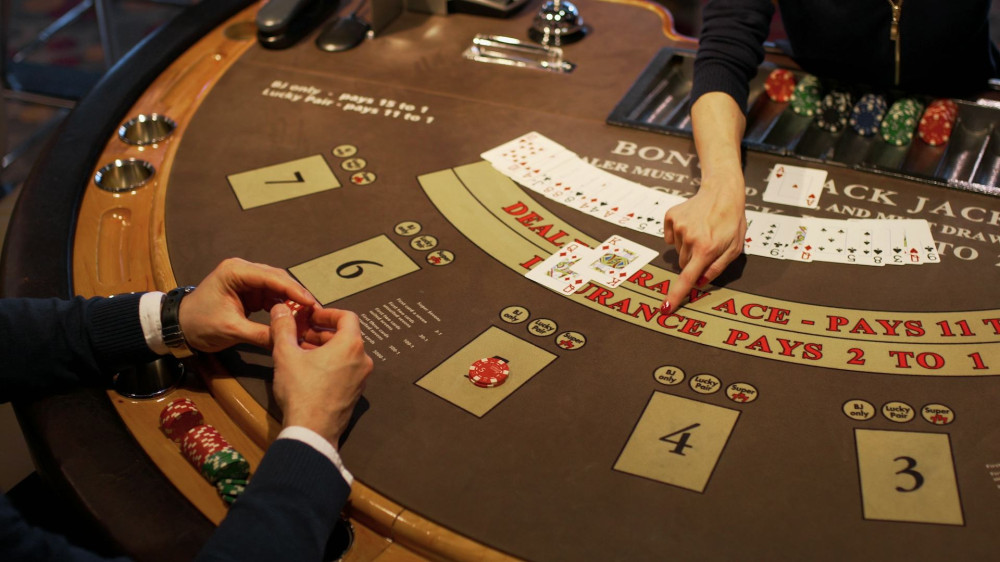
As these games evolved, so did their rules. The idea that the dealer must follow specific actions—such as drawing to a certain total—was established centuries ago. These early rulebooks laid the foundation for the structured gameplay and fairness standards that modern casinos, both physical and online, still follow.
Roulette: From Scientific Curiosity to Casino Icon
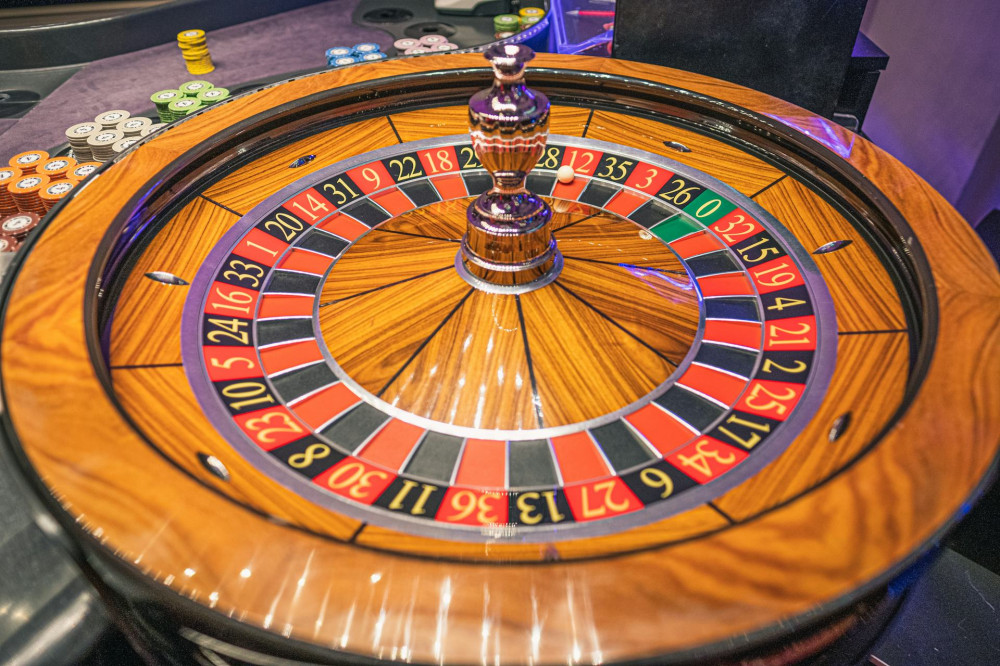
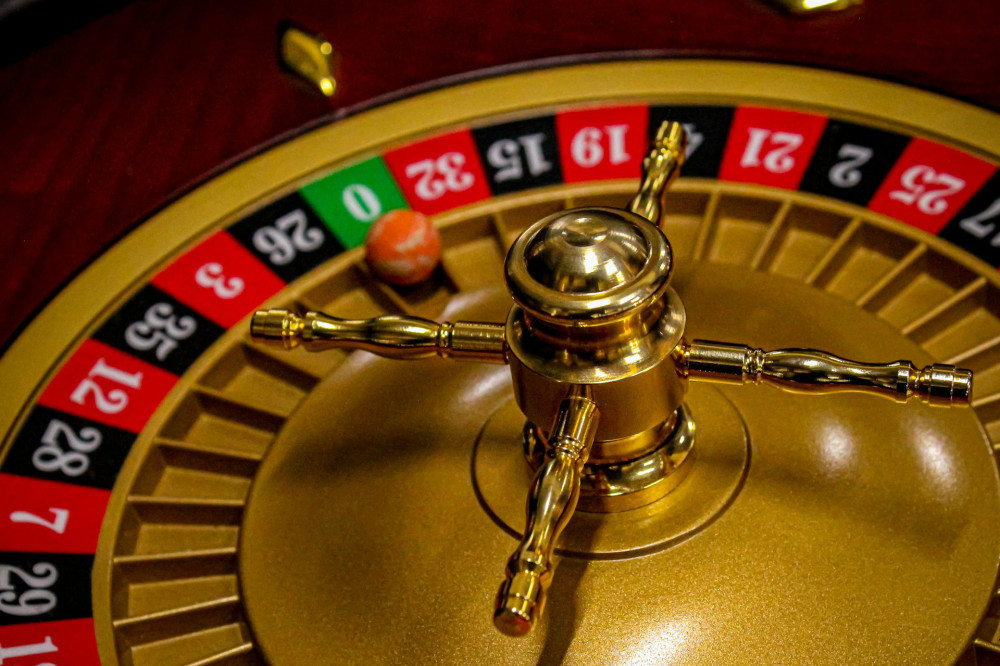
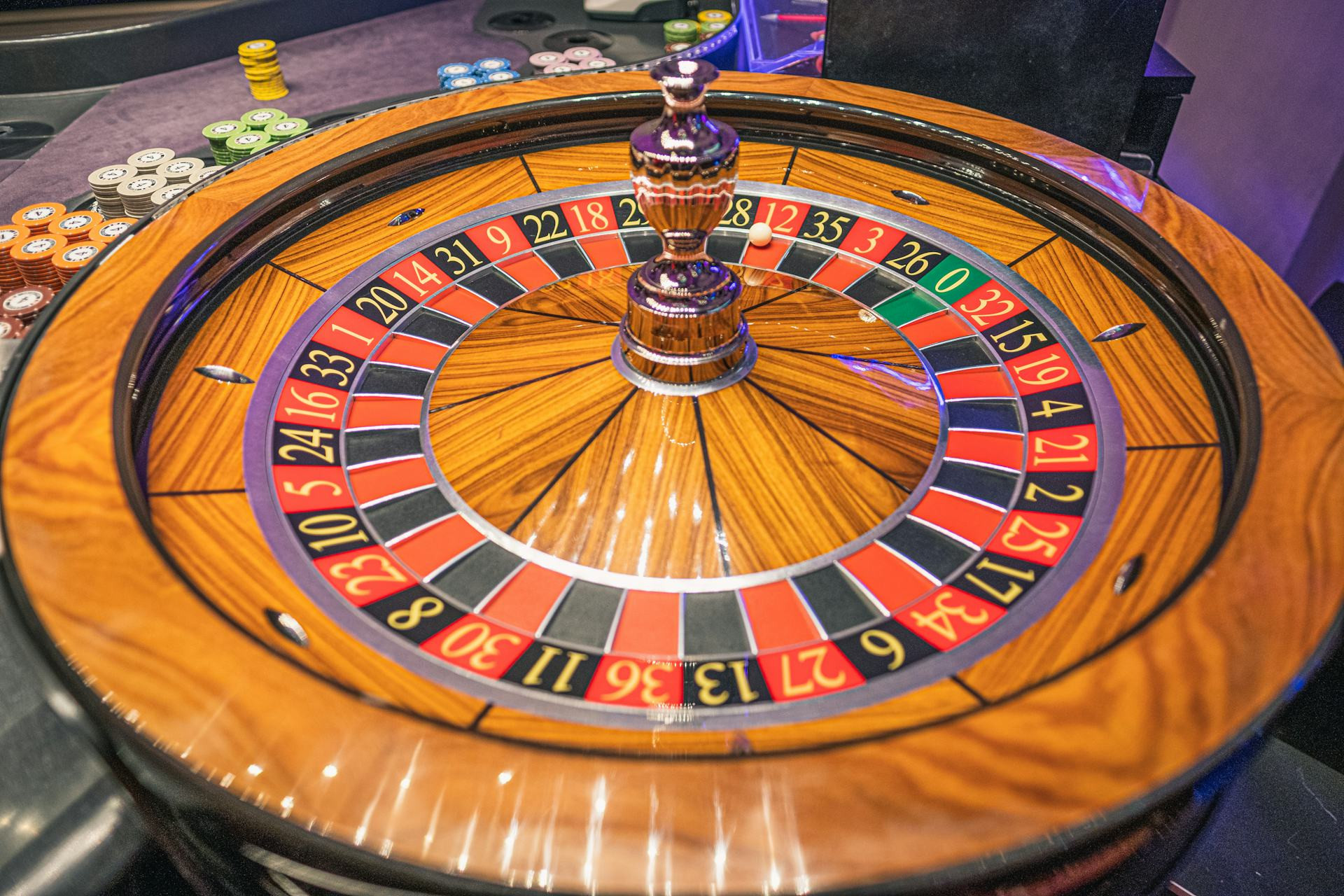
Roulette’s origins can be traced to 17th-century France, where mathematician Blaise Pascal’s experiments with perpetual motion led to the creation of the first roulette wheel. By the 19th century, the game had been refined into the version we know today, complete with numbered pockets and a single zero.
Roulette quickly became a symbol of sophistication and chance. To ensure fairness, casinos introduced standardized wheels, fixed payouts, and strict betting procedures. These principles—transparency, consistency, and fairness—remain central to casino regulation worldwide, including in Australia’s tightly controlled gaming industry.
Poker and the American Influence
While Europe gave us roulette and baccarat, poker was born in the United States during the 19th century. It spread along the Mississippi River and into frontier towns, where it became a staple of saloons and riverboats. Early poker games were often chaotic, but as the game grew in popularity, standardized rules emerged to prevent disputes.
By the early 20th century, official poker tournaments had established clear guidelines for hand rankings, betting rounds, and dealer responsibilities. These rules later influenced casino operations globally. Today, Australian poker rooms—from Melbourne’s Crown Casino to online platforms—still follow these same principles of fair play and structured competition.
From Prohibition to Regulation
The history of gambling is also a story of shifting laws and social attitudes. For centuries, many governments banned gambling outright, associating it with vice and disorder. Over time, however, authorities realized that regulation—not prohibition—offered a better path.
In the 1930s, Nevada legalized casino gambling, setting a precedent for regulated gaming industries around the world. Australia followed a similar path decades later, introducing state-based licensing systems that emphasised player protection, transparency, and responsible gambling. These frameworks ensure that casinos operate fairly and that players can enjoy games within safe, controlled environments.
Digital Casinos: Old Rules in a New World
The rise of online casinos has transformed how Australians play, but the core principles remain the same. Randomness, fairness, and accountability—concepts first explored with ancient dice and early card games—are now enforced through digital algorithms and government oversight.
Modern technology has also enhanced player safety. Online platforms can monitor betting patterns, set deposit limits, and promote responsible gambling initiatives. In this way, the digital age continues the centuries-old evolution of gaming: from unregulated chance to structured, ethical entertainment.
Læs også:


Games as a Reflection of Society
Looking back, it’s clear that casino rules are more than just guidelines for play—they reflect society’s values and its relationship with risk. From ancient temples to Australian online casinos, the story of gambling is one of adaptation and balance: between freedom and control, excitement and responsibility. The games we play today are not just pastimes; they are living echoes of history, shaped by generations of players, lawmakers, and innovators who sought to make chance both thrilling and fair.
Læs også: