Plastic or Paper? How to Choose the Best Cards for Your Poker Game


Plastic or Paper? How to Choose the Best Cards for Your Poker Game
A great poker night isn’t just about strategy, bluffing, and luck – it’s also about the gear. And your choice of playing cards can make a bigger difference than you might think. Whether you’re hosting a casual game with mates or playing in a local club, the decision between plastic and paper cards affects how the game feels, how long your cards last, and how smoothly the action flows. So, which should you choose? Here’s a guide to help Australian poker players find the best cards for their game.
Paper Cards – The Classic with Character
Paper cards are the traditional choice most of us grew up with. They’re lightweight, flexible, and have a familiar texture that makes them easy to shuffle and handle. Many paper decks are coated with a thin layer of plastic to protect against moisture and wear.
Pros:
- Affordable and easy to find in most stores.
- Offer a nostalgic, classic feel perfect for casual games.
- Easy to shuffle, especially for beginners.
Cons:
- Corners wear out and cards bend after a few games.
- Sensitive to moisture, greasy fingers, and spilled drinks.
- Can lose their smoothness and become sticky over time.
Paper cards are a great option if you play occasionally and want that traditional touch. But if poker nights are a regular thing, it might be worth investing in plastic.
Læs også:




Plastic Cards – Professional and Durable
Plastic cards are the standard in professional poker tournaments and casinos. Made from 100% plastic, they’re flexible, waterproof, and built to last. You can bend them without damage, and they’re easy to clean – perfect for long sessions or frequent play.
Pros:
- Extremely durable – can last for years.
- Resistant to moisture and easy to wipe clean.
- Glide smoothly across the table for a professional feel.
Cons:
- More expensive than paper cards.
- Can feel slippery and tricky to shuffle at first.
- Perform best on a proper poker surface or felt mat.
If you play poker regularly, plastic cards are a smart investment. They deliver a consistent, high-quality experience and save you from constantly replacing worn-out decks.
What Brands and Qualities to Look For
When choosing cards, quality matters. Professional players often swear by brands like Copag, Kem, and Modiano, all known for their 100% plastic decks that combine durability, flexibility, and crisp printing.
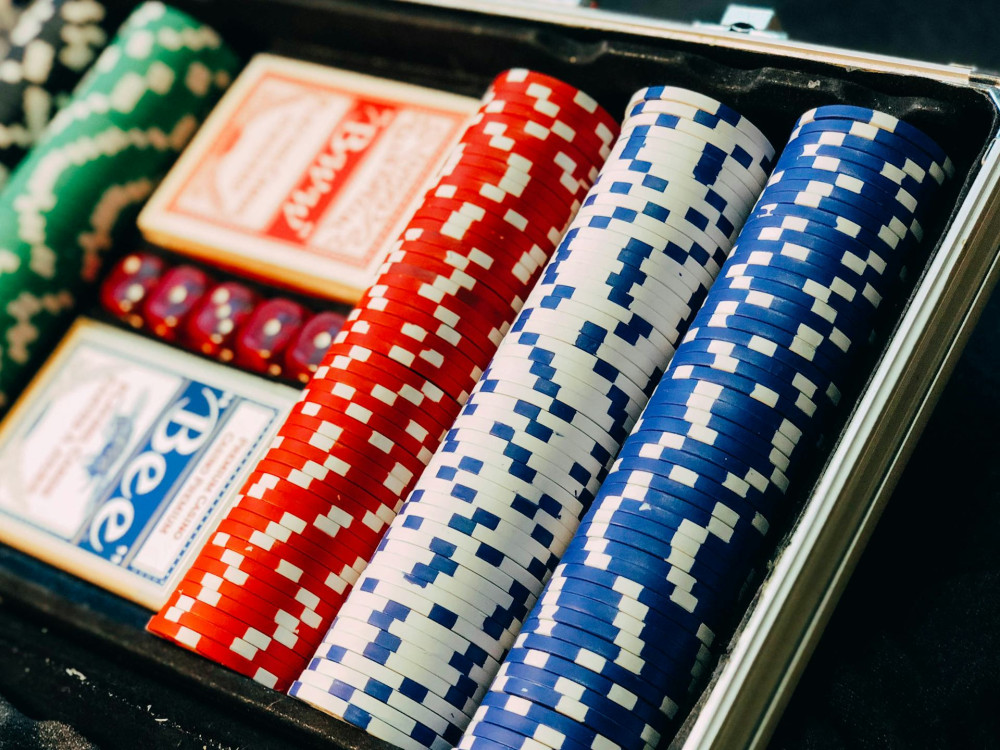
For more casual games, you can find excellent coated paper cards from brands like Bicycle or Bee, which last longer than standard paper decks.
A handy tip: choose cards with a jumbo index – larger numbers and symbols make them easier to read, even from across the table.
Consider Size and Design
Poker cards come in two main sizes: poker size (63 x 88 mm) and bridge size (57 x 88 mm). Poker size is slightly wider and is the standard for Texas Hold’em and most poker variants, while bridge size is narrower and easier to handle for smaller hands.
Design is also worth considering. Some players prefer classic patterns, while others go for modern or themed designs. The key is that the card backs are uniform and don’t reveal any information – especially important if you’re playing seriously.
How to Care for Your Cards
No matter which type you choose, a little care goes a long way in keeping your cards in top shape:
- Store them in a card box or metal case to prevent bending.
- Keep them away from moisture and direct sunlight.
- Wash your hands before playing – especially with paper cards.
- Use a poker mat or felt surface so the cards slide smoothly and don’t wear out too quickly.
Well-maintained cards not only last longer but also show respect for the game and your fellow players.
What Should You Choose?
Your choice depends on how you play:
- For casual games and occasional nights: Paper cards are affordable and easy to replace.
- For regular games and tournaments: Plastic cards offer the best performance and longevity.
If you’re unsure, start with a coated paper deck and upgrade to plastic once you play more often. The most important thing is that the cards feel right in your hands and suit your playing style.
Conclusion: Quality Pays Off
A good deck might seem like a small detail, but it can make a big difference to the flow and feel of your poker game. Paper cards bring charm and tradition, while plastic cards deliver professionalism and endurance. Whatever you choose, the key is finding the balance that fits your game – and makes every hand a pleasure to play.
Læs også: