Short vs Long Gaming Sessions: The Role of Probability in Roulette

Short vs Long Gaming Sessions: The Role of Probability in Roulette
Roulette is one of the most recognisable casino games – a blend of glamour, suspense, and mathematics. Yet behind the spinning wheel and the clatter of the ball lies a simple but unbreakable truth: probability. Whether you play for five minutes or five hours, every outcome is governed by the same mathematical laws. Still, many players notice that the game seems to change character the longer they play. Why does that happen – and what does it mean for your approach to the game?
The House Always Has the Edge
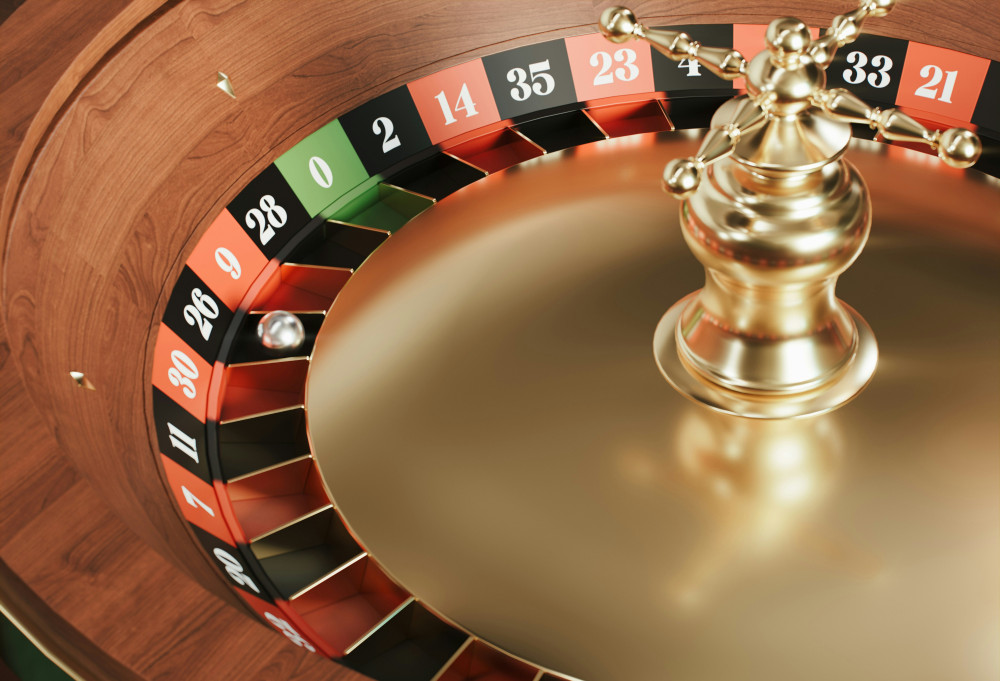
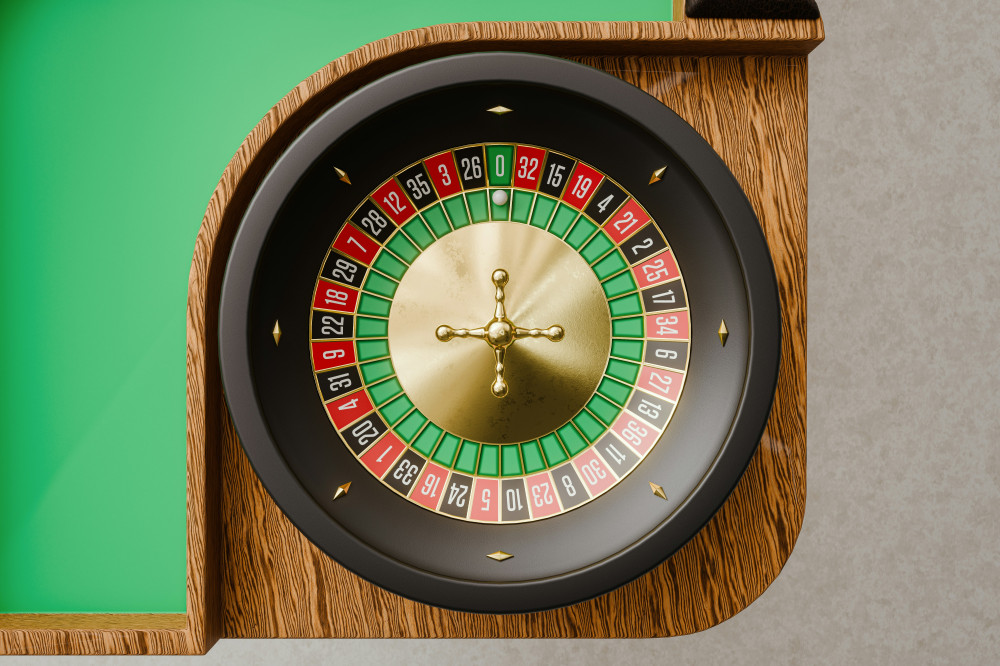
Roulette is built around a small but consistent advantage for the casino – the house edge. In European roulette, there are 37 pockets (numbers 1–36 plus a single zero), meaning the chance of hitting a specific number is 1 in 37. The payout, however, is only 35 to 1, giving the house an edge of about 2.7%. In American roulette, which includes an extra double zero, the edge rises to roughly 5.3%.
That difference might seem minor, but over time it’s decisive. The longer you play, the more likely your results will reflect that built-in advantage for the house.
Short Sessions: When Luck Takes the Lead
In short gaming sessions, anything can happen. You might hit the same number twice in a row, see long streaks of red or black, or walk away with a big win after a single lucky spin. This unpredictability is part of roulette’s charm.
Mathematically, this is called variance – the natural fluctuations that occur in small samples. In short bursts, variance can work in your favour, allowing you to leave the table ahead even though the odds are against you. That’s why many players prefer shorter sessions: they hope to catch a lucky moment before probability has time to even things out.
Læs også:

Long Sessions: When Probability Catches Up
The longer you play, the more your results will statistically align with the expected average. That means the house edge of 2.7% in European roulette will gradually show up in your outcomes. After hundreds or thousands of spins, it becomes nearly impossible to “beat” the game in the long run.
This is known as the law of large numbers. It ensures that random fluctuations balance out over time, and the theoretical probabilities become more accurate. For the casino, it’s a guarantee of steady profit; for the player, it’s a reminder that luck rarely lasts forever.
Strategies and Common Misconceptions
Over the years, roulette has inspired countless betting systems – from the Martingale strategy, where you double your bet after each loss, to more elaborate patterns based on previous results. What they all share is that none of them change the underlying probabilities of the game.
A widespread misconception is the gambler’s fallacy – the belief that past outcomes influence future ones. If the ball has landed on black five times in a row, many assume red is “due.” In reality, each spin is independent, and the odds for red or black remain exactly the same every time.
Playing Responsibly
Roulette can be an enjoyable experience when approached with an understanding of probability. Here are a few tips to make the most of your play:
- Set a time limit – shorter sessions can be more exciting and easier to manage.
- Decide on a budget – only play with money you can afford to lose.
- Choose European roulette – the lower house edge gives you slightly better odds.
- Treat it as entertainment – not as a way to make money.
By recognising the role of probability, you can enjoy the game without falling for the illusion of control. Roulette is ultimately about chance – and knowing when to step away from the table.
Conclusion: Probability Always Wins in the End
Short sessions bring excitement, variety, and the possibility of lucky wins. Long sessions, on the other hand, reveal the game’s mathematical nature and the house’s inevitable advantage. No matter the strategy or intuition, probability is the quiet force guiding every spin.
Understanding this doesn’t take away the magic of roulette – it enhances it. It allows you to play with insight, enjoy the experience, and make conscious choices. In roulette, as in life, it’s not just the outcome that matters, but how you play the game.
Læs også: