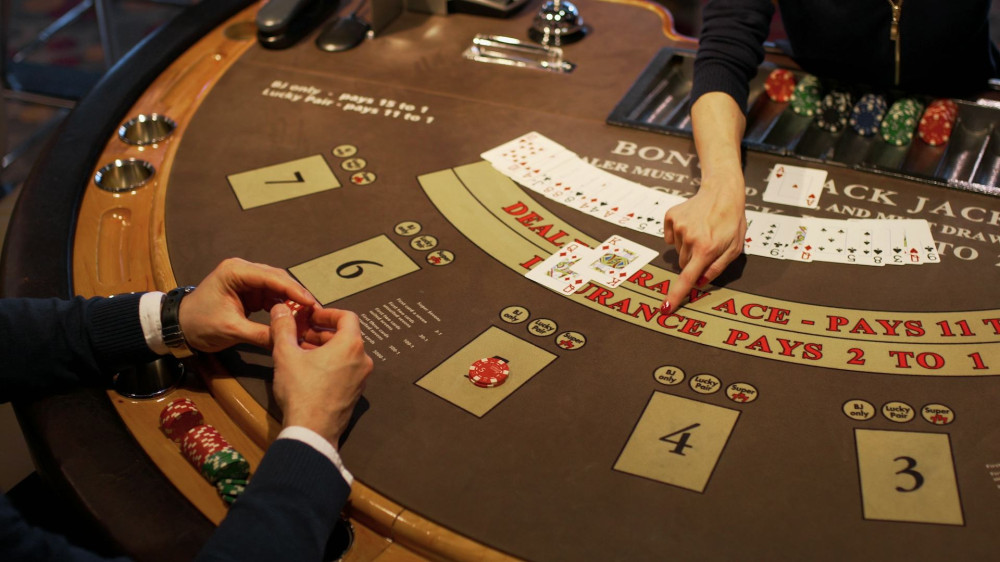
Bingo and Charity: A Historical Connection

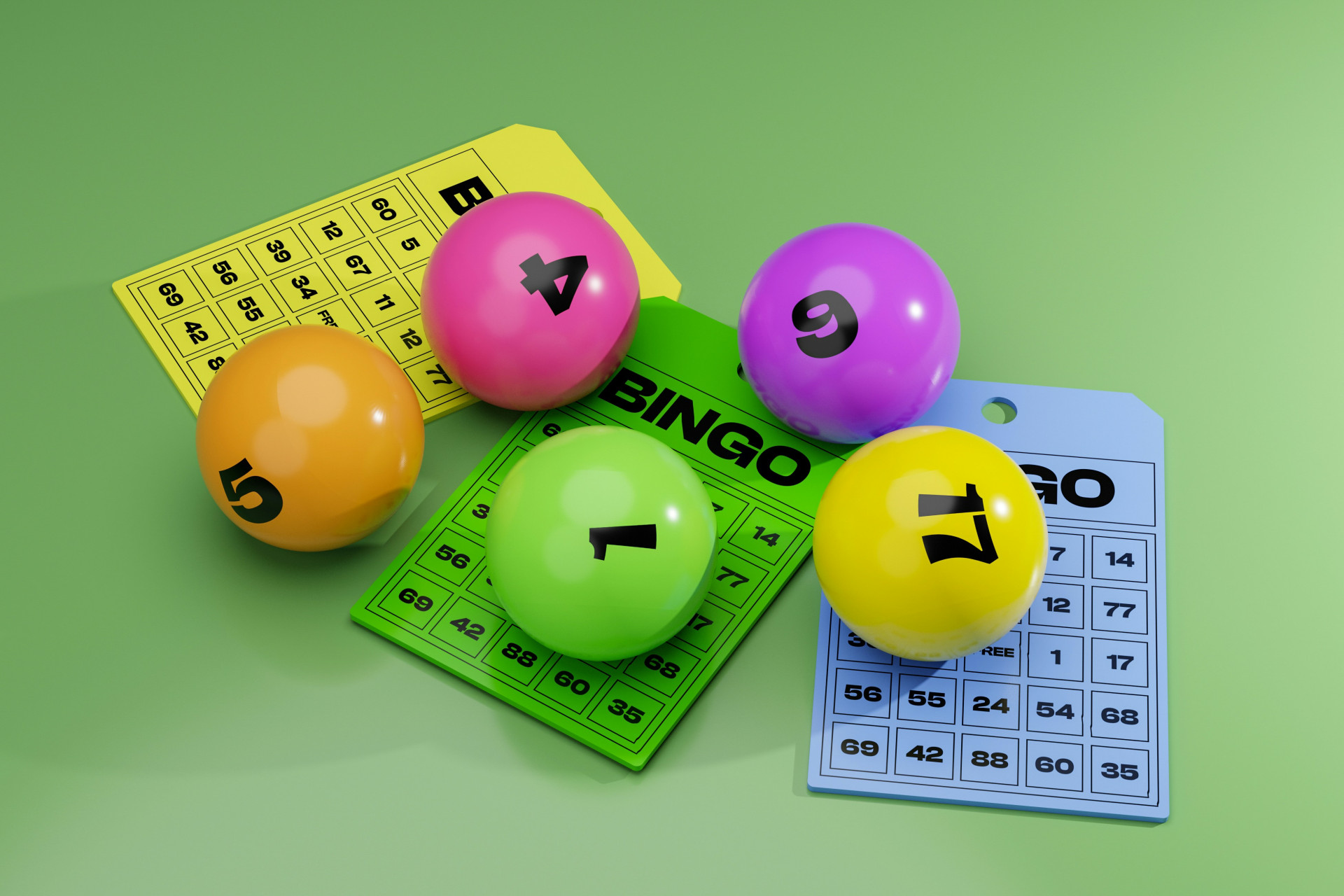
Bingo and Charity: A Historical Connection
When Australians think of bingo today, they might picture community halls filled with laughter, local clubs hosting fundraising nights, or even online games played from the comfort of home. But behind the numbered cards and cheerful calls lies a long tradition that connects entertainment with generosity. Bingo has never been just a game – it has been a way to bring people together and raise money for good causes.
From Italian Lottery to Popular Pastime
The story of bingo begins in 16th-century Italy, where a lottery game called Lo Giuoco del Lotto d’Italia captured the imagination of players across social classes. The game spread through Europe, reaching France and Germany, where it was used not only for fun but also as an educational tool to teach numbers and spelling.
In the 1920s, the game took on its modern form in the United States. A travelling salesman named Edwin S. Lowe encountered a version of it at a fair in Georgia, where players shouted “Beano!” when they won. He adapted the game, renamed it “Bingo,” and it quickly became a hit. Its simple rules, low cost, and social nature made it accessible to everyone.
Bingo Arrives Down Under
Bingo made its way to Australia in the mid-20th century, finding a natural home in the country’s strong tradition of community clubs and local fundraising. Churches, RSLs, and sporting associations soon discovered that bingo nights were an easy and enjoyable way to raise money. The proceeds often went toward maintaining club facilities, supporting veterans, or funding local charities.
In many towns, weekly bingo nights became a fixture of community life. Prizes ranged from grocery hampers to cash, but the real reward was the sense of belonging. For many Australians, especially in regional areas, bingo was as much about companionship as it was about winning.
A Game with a Purpose
Bingo’s connection to charity has always been central to its appeal. Throughout the decades, countless Australian organisations have used bingo to support causes both big and small. From hospital auxiliaries raising funds for new equipment to schools financing excursions and local projects, bingo has proven to be a reliable and inclusive way to give back.
The game’s social nature also makes it a powerful tool for community building. It brings together people of all ages and backgrounds, creating a space where friendships form and isolation fades. For older Australians, in particular, bingo has long provided a sense of routine and connection.
From Halls to Screens
Like many traditions, bingo has evolved with technology. Online bingo platforms and virtual charity events have become increasingly popular, especially during times when in-person gatherings were limited. During the COVID-19 pandemic, for example, many Australian charities turned to digital bingo nights to keep their communities engaged and continue raising funds.
These modern versions maintain the same spirit as the traditional game: fun, fellowship, and philanthropy. Whether played in a local club or on a smartphone, bingo continues to support causes that matter.
Læs også:



A Tradition That Endures
The history of bingo shows how a simple game can have a lasting impact. From its origins in Renaissance Italy to its place in Australian community life, bingo has always been more than a pastime. It has been a bridge between entertainment and empathy, helping people connect while contributing to the greater good.
So the next time someone calls out “Bingo!” at a local fundraiser, it’s not just a cry of victory – it’s an echo of a long-standing tradition where joy and generosity go hand in hand.
Læs også: