Local Traditions and Language: How They Shape the Bingo Experience


Local Traditions and Language: How They Shape the Bingo Experience
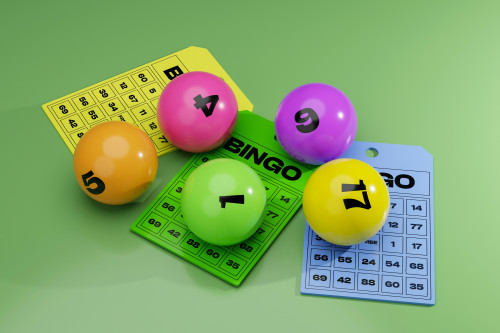
At first glance, bingo might seem the same wherever you go: numbers are called, cards are marked, and someone eventually shouts “Bingo!” But beneath that simple structure lies a world of local flavour, humour, and community spirit. In Australia, bingo has evolved into something more than a game of chance—it’s a social ritual that reflects the country’s diverse cultures, languages, and sense of fun.
Aussie slang and the sound of the call
Language gives bingo its personality, and in Australia, that personality is unmistakably local. From the moment the caller picks up the microphone, the tone is set. You might hear a cheerful “G’day, folks!” or a playful quip that gets the crowd laughing. Some callers weave Aussie slang into their routines, turning the numbers into mini performances. The familiar accent, the easy banter, and the quick wit all make the experience feel uniquely Australian.
In multicultural communities, you might even hear a mix of languages—English alongside Italian, Greek, or Vietnamese—reflecting the neighbourhood’s heritage. It’s not unusual for a caller to throw in a phrase or two in another language, just for fun or to make everyone feel included. The result is a lively, inclusive atmosphere where language becomes a bridge rather than a barrier.
Læs også:



Traditions that bring people together
Across Australia, bingo nights are woven into the fabric of local life. In country towns, the community hall or RSL club might host a weekly game that’s been running for decades. Families come together, old friends catch up, and newcomers are welcomed with a smile. The prizes might be modest—meat trays, grocery hampers, or vouchers from local businesses—but the real reward is the sense of belonging.
In the cities, bingo has taken on new forms. Some pubs host themed bingo nights with music, costumes, and cheeky humour, while retirement villages keep the classic version alive with tea, biscuits, and friendly competition. No matter the setting, the rhythm of the game—the anticipation, the laughter, the shared groans when someone else wins—creates a bond that crosses generations.
Humour, mateship, and the Aussie spirit
Humour is at the heart of the Australian bingo experience. The caller often doubles as entertainer, cracking jokes, teasing regulars, and keeping the energy high. The crowd responds in kind, with good-natured heckling and plenty of laughter. It’s a kind of social theatre where everyone plays a part, and where the Aussie values of mateship and laid-back fun shine through.
Even the smallest details reflect local culture. The way people greet each other, the jokes about the weather, the friendly ribbing between tables—all of it adds to the atmosphere. Bingo isn’t just about winning; it’s about being part of something familiar and joyful.
From halls to screens – staying local in a digital world
As more Australians play bingo online, the challenge has been to keep that local feeling alive. Many digital platforms now host games with Australian themes, local slang, and even live callers who bring the same warmth and humour you’d find in a community hall. Some online bingo nights raise money for local charities or feature prizes from nearby businesses, keeping the connection to place strong.
Technology may have changed how people play, but it hasn’t changed why they play. Whether it’s in a surf club on the coast, a suburban pub, or a virtual room on a smartphone, bingo remains a way to connect, laugh, and share a moment of excitement.
A game that speaks every accent
Bingo’s enduring appeal lies in its simplicity—and its ability to adapt. Every region, every accent, and every tradition adds a new layer to the experience. In Australia, that means a mix of humour, hospitality, and a touch of larrikin spirit. When you play bingo here, you’re not just marking numbers; you’re taking part in a living tradition that celebrates language, community, and the joy of being together.
Læs også: